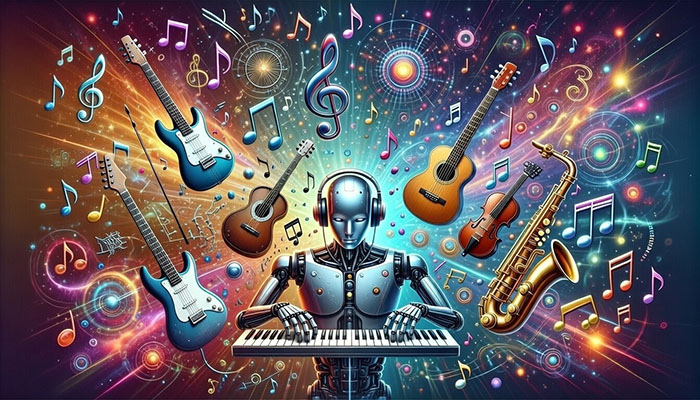
Artificial intelligence has begun to influence many creative fields, and music is no exception. AI music refers to the use of computer systems that can analyze, generate, or assist in creating musical compositions. Instead of replacing human musicians, AI is becoming a supportive tool that enhances creativity and expands the possibilities of music production.
At its core, AI music works by studying large collections of existing songs. These systems learn patterns such as rhythm, melody, harmony, and structure. An AI music generator uses this knowledge to create new musical pieces or suggest ideas that follow familiar musical rules. This allows computers to produce original sounds that feel organized, expressive, and aligned with common musical styles.
One of the most significant benefits of AI in music is accessibility. In the past, creating music often required costly equipment and years of practice. Today, AI-powered tools help beginners compose melodies, arrange beats, and experiment with different sounds. This gives more people the chance to explore music, even without formal training.
Professional musicians also make use of AI-based music tools. Artists use them to discover fresh musical ideas, experiment with new styles, or develop background tracks more efficiently. In industries such as film, gaming, and digital media, AI music systems help creators design soundtracks that match specific moods and themes. This improves workflow while maintaining creative control.
However, the rise of AI music also brings challenges. Some critics question whether music created with artificial intelligence can truly reflect human emotions. Music is often connected to personal experiences, culture, and feelings, and there is concern that AI-generated compositions may lack emotional depth. There are also ongoing discussions about ownership and copyright when music is created using AI tools.
Another important factor is the role of human creativity. AI can provide suggestions, but humans make the final decisions. Musicians choose the emotions they want to express and shape the final composition. In this sense, AI acts as a creative assistant rather than an independent artist.
In the future, AI music technology is expected to become more refined. Systems may better understand emotional tone, cultural influences, and individual listening preferences. This could lead to personalized music experiences designed specifically for each listener.




Comments are closed.