
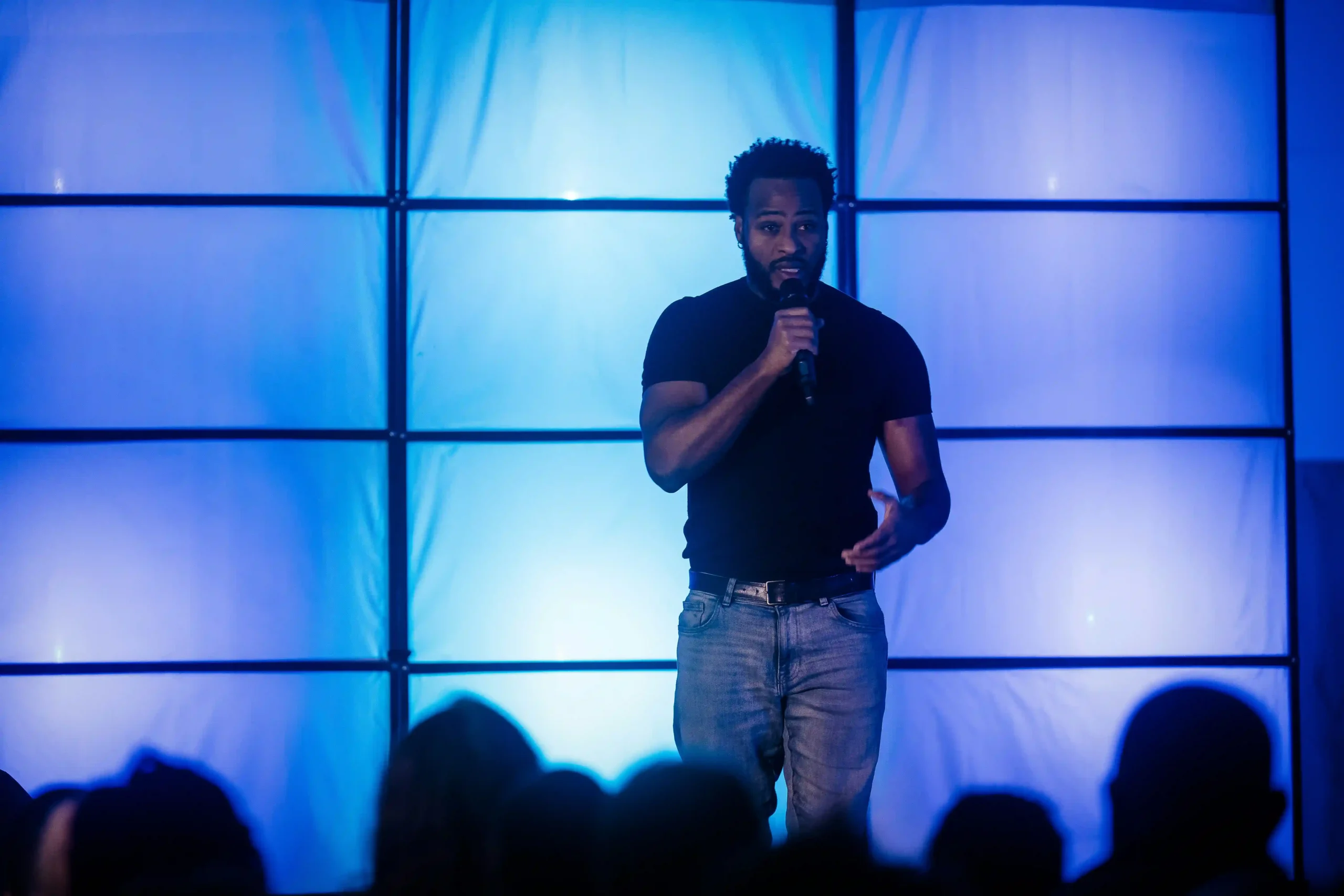
A Great night out, concerts, comedy and theatre rely on room design, pacing, safe sound and crowd response, not only the name printed above the entrance.
The Room Decides Before the Headliner Does
A memorable night out is rarely created by talent alone because it is a chain of technical and social decisions made live. The room controls what the audience sees, how clearly it hears and whether strangers begin reacting as one crowd; music exposes bad acoustics, comedy exposes poor timing, and theatre exposes every blocked sightline and noisy late arrival. The best venues treat those details as part of the performance, which is why a modest club can outplay an arena while an expensive ticket feels flat. The poster gets people through the door; pacing, sound and audience chemistry decide what they remember.
A Good Room Edits the Performance
Venue design acts like an invisible editor. Hard surfaces can smear lyrics and dialogue, while ceilings and furnishings change how quickly a laugh or drum hit decays. Sightlines matter just as much: a standing crowd can erase a carefully staged scene for everyone behind it.
Long changeovers drain attention; rushed ones create technical faults. Clear entry routes and sensible temperature control protect the performance from problems unrelated to the artist.
The Crowd Is Part of the Score
Research on classical concerts has found measurable synchrony in audience members’ skin conductance and breathing, with some measures associated with reported appreciation. That does not prove every crowd shares one emotion. It does show that collective attention has a physical component, even when people sit quietly.
At louder shows, movement makes the effect visible. The artist reads that response, extends a pause or changes the set’s energy, and the audience answers again.
Comedy Lives and Dies on Half a Beat
Stand-up strips the mechanism bare. A punchline needs enough silence to be heard and enough tension for the release to register. A room with delayed sound, clattering service or constant door movement changes the timing before the comedian says a word.
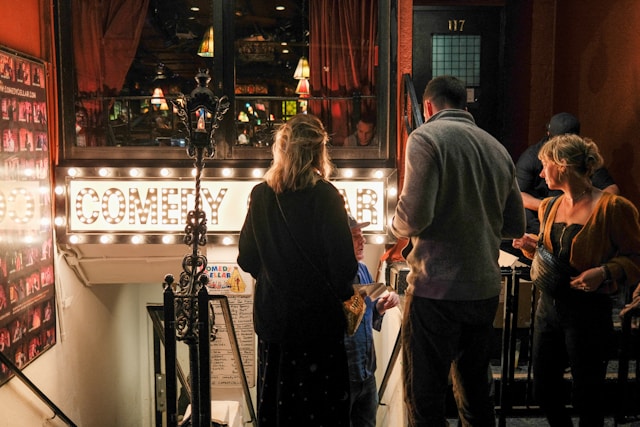
Intimacy also raises the risk. A small audience gives the performer better information but leaves nowhere for weak material to hide. Good clubs manage late seating and crowd intervention quickly, preserving spontaneity without letting one table become the whole show.
Theatre Makes Friction Visible
Theatre asks an audience to believe in a constructed world while watching that world being built in real time. Scene changes, costume shifts and live music are not interruptions when the production gives them rhythm. They become part of the craft.
The contract breaks when practical friction dominates: unreadable surtitles, phones lighting faces, or a seat sold with a restriction that was never explained. Accurate sightline information is therefore an artistic service as much as a customer-service one.
Digital Entertainment Has Copied the Stage Manager
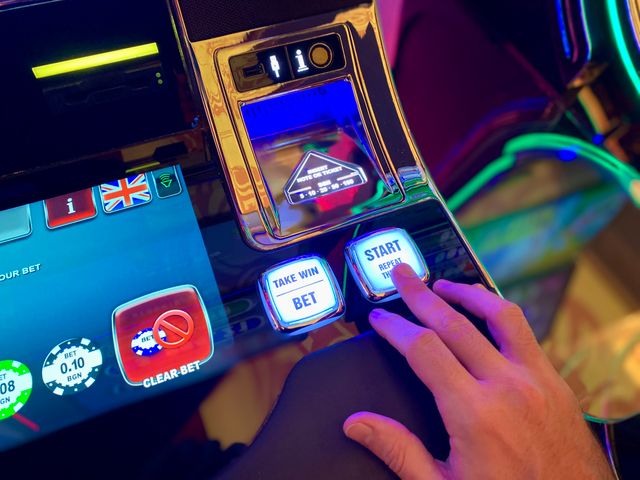
Casino games use tempo and visual hierarchy to capture attention immediately. Sound cues make rules legible within seconds, ensuring players understand the core loop right away. During the initial onboarding phase, modern players naturally explore an online casino looking for structural data rather than just flashy graphics, because the real useful information sits beyond the animation. The interface must balance paytables, RTP, volatility, stake range, and bonus mechanics effectively. Two slots with the same theoretical RTP can feel very different because one pays smaller amounts more often while another concentrates value in rarer features. The interface works best when it stages this information clearly without turning entertainment cues into a prediction of the next result.
Sports betting borrows the tension of live performance to keep users engaged. The price also moves in real time based on complex algorithmic assessments of the event. As fan behavior increasingly leans toward tracking deep analytics during a match, any major online betting Philippines platform constantly adjusts its numbers so odds can shorten or drift in response to the score, clock, player availability, and trading exposure. That movement is part information and part price management, which simply reflects current market liabilities rather than acting as a promise about what happens next. A bettor who records the accepted odds and keeps stakes stable has a cleaner view of the decision than one reacting to every flash on screen.
Live-dealer tables depend heavily on the relationship between performer and audience attention. Timing sets the boundary for every interaction and wager placed. Because current mobile habits favor seamless real-time streaming alongside quick interactive taps, navigating a live casino Philippines interface requires players to process both the human element and the digital overlay simultaneously. The dealer provides pace and presence, while the strict game rules determine settlement behind the scenes. Latency or a closed betting phase can matter more than the charisma on screen, so round status must remain visible at all times.
Louder Is Not the Same as Bigger
The World Health Organization’s safe-listening standard recommends a maximum average level of 100dB LAeq over 15 minutes for venues and events. It also calls for sound monitoring, optimised acoustics, hearing protection, quiet zones and trained staff. The number is a ceiling within a wider system, not a guarantee that every listener faces zero risk.
For audiences, earplugs are not an admission that the mix failed. High-fidelity filters can reduce exposure while preserving more detail than improvised tissue or enduring discomfort. Position also matters; a few metres away from a speaker stack can change the night.
Four Thousand Shows Turn Choice Into a Skill
The 2026 Edinburgh Festival Fringe offers more than 4,200 shows from 74 countries across comedy, theatre, music and other forms. Its abundance reveals a useful rule: a great night needs breathing space. Booking three shows in three distant venues leaves no room for queues, overruns or the conversation that follows something unexpectedly good.
Before buying, check four unromantic details:
- the view from the actual price band;
- whether the venue is seated, standing or mixed;
- the interval and finish time;
- the route to the next train, bus or show.
Those checks do not flatten spontaneity. They remove the avoidable friction that stops a performance from taking over the room.






Comments are closed.