

A setlist is basically the plot of a gig. Fans can sense it far better than most artists give them credit for, even if they can’t describe why a show felt a little wrong. The running order dictates when people jump, yell the chorus back at the stage, and go for their phones. If it is done well, five years later folks are still talking about that night.
Ask an average gig-goer what made their best-ever show so wonderful, and you will rarely hear about the sound mix or the lighting rig. It’s always a surprise song they never thought a band would do or an encore that left them hoarse for two days.
A lot of this is decided before anyone even gets to the venue. Say you’ve spent months with “That’s So True” stuck in your head, you’ve finally got your Gracie Abrams tickets, and now you’re walking into the venue expecting that song, and probably a few more from The Secret of Us. Hear them, and the night’s a success. Don’t, and it stings a bit.
A Strong Opening Sets the Tone
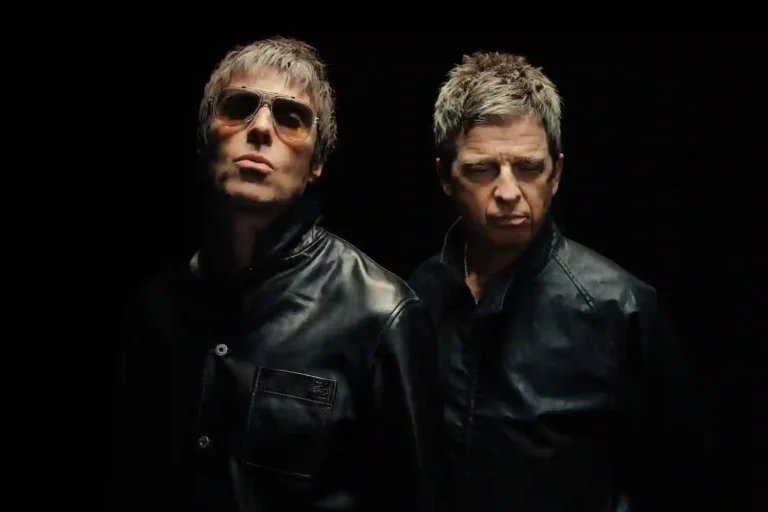
Openers are underrated. The best ones feel like a statement, no matter if the band comes out swinging with a massive single or lets something build slowly while they walk on. Oasis chose Hello to open their 2025 reunion shows, a song about coming back from a band that had spent 16 years apart, which was pretty hard to argue with.
The Balance Between Hits and Deep Cuts
Here’s where things get heated. Someone who knows three songs from the radio wants those three songs. Someone who’s been around since the first album wants the B-sides, the album tracks, and the stuff that rarely gets an outing.
Why the Hits Still Matter
Leave out the big one, and you’ll hear about it, even if the band has a perfectly good reason. Radiohead refused to play Creep for years. When it suddenly came back on their 2016 tour, it made headlines.
Most bands have made their peace with this. If people buy a ticket, they want the songs that made you famous.
The Thrill of the Unexpected
Rarities are what end up all over social media the next day. Taylor Swift turned this into a nightly event on the Eras Tour with the surprise song segment: two acoustic tracks that changed at every stop. The show already ran over three hours, and yet that little slot was the bit that made the experience even more special.
Metallica did something similar on the M72 World Tour and called it No Repeat Weekend: two nights per city, two completely different setlists. If you were a proper fan, that was all the excuse you needed to go to both.
Pacing, Peaks, and Breathing Space
Think of the running order as a rollercoaster. Fans get restless when a band fires off every big song in the first 40 minutes and then limps to the finish. Stack three ballads together, though, and you’ll watch half the crowd get bored.
A fix many artists use is a change of scene, whether that’s an acoustic bit, a walkout to a small B-stage in the middle of the arena, or just one song with everyone else offstage. It gives the room a breather before the final stretch, and quite often those are the moments people remember most clearly.
There’s actually some science to why the ending matters so much. Nobel laureate Daniel Kahneman described something called the peak-end rule: we tend to judge an experience by its most intense moment and by how it finished, and not much else. So a knockout closer can rescue a so-so set. It works the other way too, and a limp finale can undo two hours of good work.
Bands That Never Play the Same Show Twice
- Springsteen and the Marathon Set
Bruce Springsteen is known for shuffling his setlists and playing requests off homemade signs in the crowd. He’s also known for simply not stopping. At Citizens Bank Park in Philadelphia in 2016, he played for just over four hours, the longest show he’d ever done in the US at that point.
- Phish and the Baker’s Dozen
Phish went all in during the summer of 2017 with 13 nights at Madison Square Garden. They called it the Baker’s Dozen. Phish didn’t repeat a single song across the whole run and gave every night a loose doughnut theme, because of course they did.
What Fans Really Want
What fans want is to feel like someone thought about them when putting the setlist together. Enough songs they know by heart, a couple of curveballs to talk about on the way home, and a show that climbs, catches its breath, and finishes big.
Pull that off, and the crowd goes home happy but still wishing the band had played one more song. And there is no better compliment than that for any artist.



Comments are closed.