

Why Music Can Make Us Feel So Much
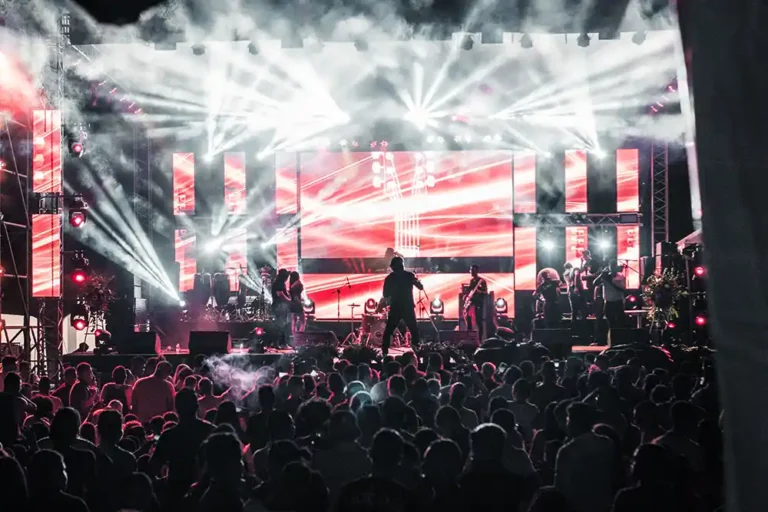
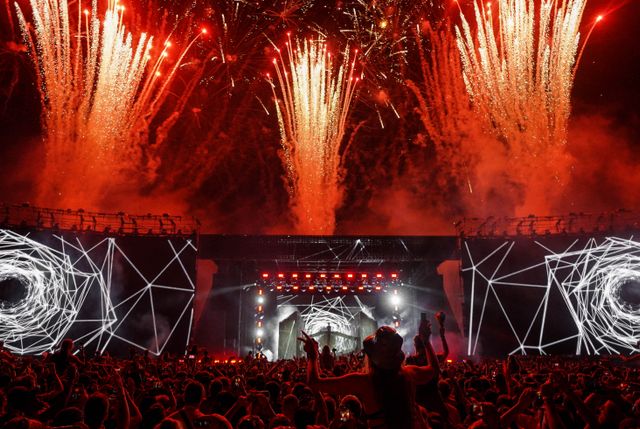
There is a particular moment at a live gig when the lights drop, the bass begins to build and thousands of people react together. For a few seconds, everyday worries seem distant. The music takes over, emotions rise and the crowd becomes part of something bigger than itself.
For someone recovering from addiction, that experience can be especially meaningful. When substances have previously been used to seek pleasure, escape difficult feelings or create a sense of connection, rediscovering enjoyment through music can become an important part of building a different life.
But is there genuine science behind the idea of music as a natural high? Research into neuroscience and music therapy suggests that music can influence reward, emotion and social connection. Although it cannot reproduce every effect of a psychoactive substance, it offers a potentially valuable way to experience pleasure without relying on drugs or alcohol.
Music, Dopamine and the Brain’s Reward System
Dopamine is often described as the brain’s pleasure chemical, but its role is more complicated. It contributes to motivation, learning and the anticipation of rewarding experiences.
Music can engage the brain’s reward system, particularly when a listener anticipates a favourite passage or experiences an unexpected change in melody, rhythm or harmony. These moments can produce powerful emotional responses, including excitement, chills and a feeling of release.
Research using brain imaging has found that intensely pleasurable music engages reward-related regions, while studies measuring dopamine activity have provided evidence of dopamine release during musical anticipation and peak emotional experiences.
This helps explain why a familiar song can lift someone’s mood or why a live performance can feel physically exhilarating. However, the experience differs from substance use, and music does not simply replace the chemical effects of drugs.
Addiction can alter how reward, motivation and learned cues interact. Recovery therefore involves more than finding another source of pleasure. It can also mean rebuilding routines, developing emotional regulation and learning to enjoy experiences without the expectation of an immediate, overwhelming reward.
The Power of Experiencing Music Together
Live music adds another dimension: social connection.
Singing with a crowd, dancing alongside strangers or sharing an emotional moment during a favourite song can strengthen feelings of belonging. These experiences may be particularly valuable for people whose relationships have been affected by addiction.
Recovery can sometimes feel isolating, especially when old social circles revolved around drinking or drug use. Music offers an opportunity to build new connections around a shared interest rather than a shared substance.
The psychological benefits do not depend on attending a huge festival. Playing an instrument, joining a choir, attending a small gig or listening to music with friends can all provide meaningful experiences.
For some people, these activities also create structure. Rehearsals, lessons and regular music sessions offer something to work towards, helping replace unhelpful routines with purposeful activity.
What Music Therapy Can Offer in Treatment
Music therapy is more than listening to a playlist. Delivered by a suitably trained music therapist, it may involve songwriting, improvisation, rhythm exercises, listening and discussion.
These activities can provide ways to explore emotions that are difficult to express verbally. Writing lyrics about a personal experience, for example, may help someone identify feelings associated with loss, anger or recovery. Group sessions can also encourage communication and collaboration.
The evidence is encouraging. A Cochrane systematic review published in 2022 examined 21 trials involving 1,984 people with substance use disorders. It found that adding music therapy to standard care probably reduced substance cravings and improved motivation for treatment or change, although the evidence did not establish clear benefits for every outcome examined.
These findings support music therapy as a possible complement to established treatment, rather than a replacement for medical care, psychological interventions or appropriate medication.
It is also important to recognise that music affects people differently. A particular song may bring comfort to one person but evoke painful memories for another. Effective therapy takes individual preferences and experiences into account.
Rebuilding Pleasure Without Substances
One challenge in recovery is learning to appreciate everyday rewards again. When substance use has become closely associated with relaxation or excitement, ordinary activities may initially feel less satisfying.
Music can help create opportunities for positive experiences, but there is no instant fix. Enjoyment may return gradually, and some people will need additional support for depression, anxiety or other difficulties.
Activities should be chosen according to the person’s needs. Someone who finds crowds overwhelming might start with listening at home or attending a small performance before considering a festival. Another person may benefit from learning an instrument or joining a supportive music group.
For people receiving treatment for cannabis addiction, music-based activities may offer an additional way to manage boredom, explore emotions and establish new routines. They should form part of an individualised recovery plan rather than be presented as a standalone treatment.
The Limits of the Natural High
It is tempting to suggest that a powerful gig can provide the same reward as a drug. That comparison is too simplistic. Psychoactive substances affect the brain in different ways, and music cannot guarantee the same intensity of experience or prevent relapse.
The aim is not to chase an alternative high at every opportunity. It is to build a life that offers a broader range of meaningful experiences, relationships and sources of satisfaction.
Music can contribute to that process because it combines emotion, memory, movement and social connection in a way few activities can match.
Turning the Volume Up on Recovery
The science of music and the experience of live performance point towards an encouraging possibility: recovery does not have to be defined solely by what someone gives up.
It can also be about what they rediscover. A favourite album, a first gig without substances or the confidence to perform in front of others can become milestones in a person’s changing relationship with pleasure.
Music is not a cure for addiction, but used thoughtfully, it can help people reconnect with themselves and the world around them.
Sometimes, the most important part of the song is not the bass drop. It is the reminder that joy, connection and excitement are still possible.




Comments are closed.