
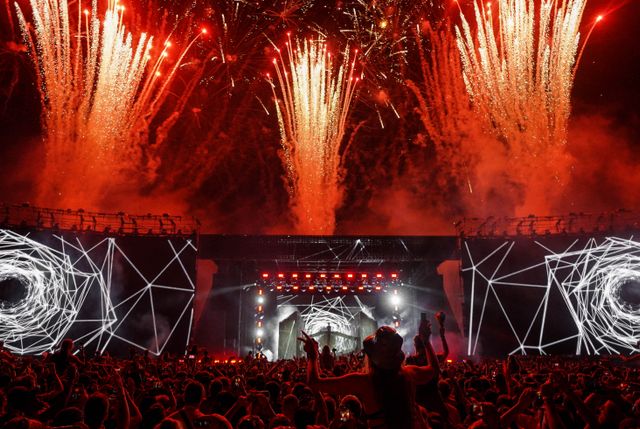
The Show Must Go On, But at What Cost?
Touring can look like a dream from the outside. There are roaring crowds, sold-out venues, backstage passes and the thrill of hearing thousands of people sing along to your songs. Yet behind the glamour lies a demanding routine of late nights, long journeys, disrupted sleep and constant pressure to perform.
For musicians struggling with alcohol or drug problems, that environment can become particularly difficult to navigate. Substances may be readily available, celebrations can revolve around drinking, and the expectation to remain energetic night after night can make unhealthy coping mechanisms seem normal.
But a growing number of artists are challenging the stereotype that creativity and substance use must go together. Their experiences demonstrate that touring sober is possible, even if it requires a different approach to life on the road.
Florence Welch: Finding Connection Without Alcohol
Florence Welch, frontwoman of Florence + The Machine, has spoken openly about giving up alcohol and drugs and the challenges of performing sober.
In a 2019 interview, Welch discussed the loneliness that could accompany sober touring, particularly during the early stages of a tour. She also described how much better her life had become without drinking, while acknowledging that adjusting to the demands of touring remained difficult. The connection she felt with audiences was an important source of support.
Her experience challenges the assumption that performers need substances to access the energy required for a live show. The excitement of performing can come from preparation, connection and the emotional intensity of the music itself.
That does not mean sobriety makes touring effortless. Travel, exhaustion and the pressure of public attention remain real challenges. It does, however, show that artists can develop healthier ways of managing them without sacrificing the relationship they have with their audience.
Jason Isbell: Creativity Beyond the Myth of Excess
American singer-songwriter Jason Isbell has also discussed the relationship between sobriety and creativity. Following struggles with alcohol, he became sober in 2012 and has continued to build a highly regarded career as a songwriter and performer.
Isbell’s story is significant because music culture has often romanticised the idea of the troubled artist. Alcohol and drugs have sometimes been portrayed as sources of inspiration, authenticity or creative freedom.
Yet this narrative can overlook the damage that substance misuse causes and the many talented people whose careers and lives are disrupted by it.
Isbell’s continued creative output provides a different perspective. Sobriety does not remove the difficult emotions that can inspire songwriting. Instead, it can create opportunities to engage with those emotions more clearly and consistently.
His experience also illustrates that recovery does not require abandoning an artistic identity. For many musicians, the goal is to preserve their creativity while changing the habits that were putting their health at risk.
The Reality of Backstage Culture
For artists trying to maintain recovery, the challenges often begin away from the stage.
Greenrooms and tour buses can become environments where alcohol is readily available and socialising centres on drinking. After a demanding performance, there may be an expectation to celebrate with promoters, colleagues or fans.
Even when nobody applies direct pressure, being surrounded by familiar routines can make it harder to maintain boundaries.
The practical demands of touring can add further strain. Musicians may struggle with irregular sleep, loneliness, anxiety about performances and the feeling that they must remain available to everyone around them.
These pressures do not affect every artist in the same way, and substance use is not inevitable in the music industry. However, performers who have experienced addiction may need to be particularly deliberate about protecting their recovery.
Building a Tour That Supports Sobriety
Staying sober on the road often involves planning rather than relying on determination alone.
Artists may arrange alcohol-free dressing rooms, bring trusted people on tour, establish clear boundaries around afterparties or schedule regular contact with therapists and recovery groups.
Tour managers can also make a difference. Protecting rest periods, respecting medical needs and avoiding unnecessary pressure to attend alcohol-centred events can help create a healthier working environment.
There is evidence that the industry is beginning to recognise these needs. UK charity Music Support has provided backstage Safe Hubs at festivals since 2016, offering music professionals access to confidential support, mental health first aid and spaces free from alcohol and drugs. These hubs demonstrate how recovery support can be integrated into the working environment rather than left entirely to individuals.
Artists should not have to choose between maintaining their health and remaining part of the industry. Practical support can help make both possible.
When Professional Help Is Needed
Some musicians may need more than changes to their touring arrangements. Addiction can involve physical dependence, mental health difficulties and patterns of behaviour that are difficult to change without specialist support.
For someone experiencing crack cocaine addiction, for example, treatment may involve psychological interventions, structured recovery support and help managing cravings and related mental health concerns. A qualified professional can assess individual needs and recommend an appropriate treatment plan.
Support should be available without fear that seeking help will automatically end a career. Confidential advice, appropriate time away from touring and a gradual return to work may all form part of recovery, depending on the circumstances.
Most importantly, relapse should not be treated as proof that recovery is impossible. It is a reason to reassess the support in place and make appropriate changes.
Changing the Soundtrack of the Music Industry
The image of the artist who drinks heavily, parties all night and somehow delivers a flawless performance has been repeated for generations. But it is only one version of the story.
Musicians such as Florence Welch and Jason Isbell show that a creative career can continue without depending on alcohol or drugs. Their experiences also reveal that recovery is not simply about removing substances. It involves building routines, maintaining relationships and finding healthier ways to cope with pressure.
The industry has a responsibility to support that change. Promoters, managers, venues and fellow artists can help by treating wellbeing as part of a sustainable career rather than an inconvenience.
For fans, there is something powerful about seeing an artist perform with clarity, energy and genuine connection. The emotion of a live show does not depend on what happens in the greenroom.
Ultimately, touring clean is not about making music less exciting. It is about making a long-term career, and a healthy life beyond the stage, more achievable.




Comments are closed.