
Entertainment no longer follows a schedule. The shift from fixed programming and single-screen viewing toward fluid, multi-platform habits has been gradual enough that its full implications are still being absorbed. Platforms that understand how people actually move through their days, rather than how they once did, are finding themselves in an unusually strong competitive position.
Mobile Platforms Are Capturing Fragmented Attention
The smartphone has fundamentally changed what “free time” means. Commutes, lunch breaks, and the ten minutes before bed have all become contested territory for digital entertainment providers. Short-form content, casual gaming, and services that require no prior commitment have grown considerably because they fit naturally into these gaps.
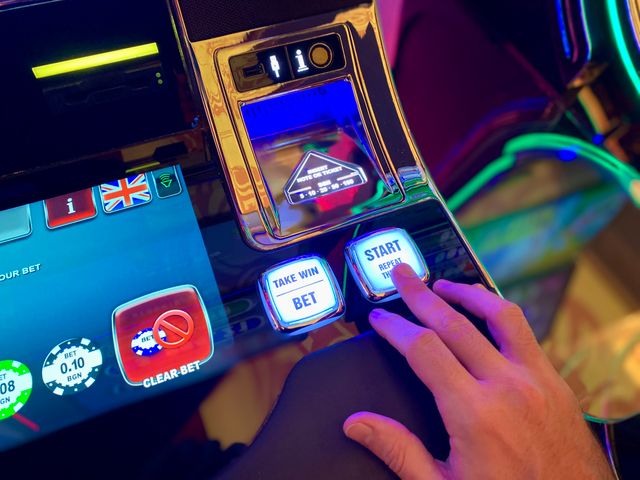
Platforms offering online slots and other forms of interactive digital entertainment have expanded their mobile presence significantly, recognising that accessibility during brief windows is now as commercially important as sustained engagement. Anything that asks too much of the user before delivering value tends to lose out to alternatives that do not.
Streaming Has Redefined Viewing Behaviour

Watching content has become something people do on their own terms. A film no longer needs to be seen in theatres on opening weekend to become part of the cultural conversation, and that flexibility has altered the rhythm of audience engagement with long-form content.
Streaming platforms that allow viewers to pause, rewatch, and consume at will have overtaken rigid scheduling as the dominant model across most demographics.
Community Features Are Driving Platform Loyalty
Entertainment has become increasingly social, even when consumed entirely alone. Platforms that embed community features, whether through comment sections, live reactions, shared playlists, or multiplayer elements, tend to retain users more effectively than those that do not.
The value of a platform no longer rests purely in its content library; it rests in what happens around the content. Gaming platforms have understood this for years, and the social infrastructure they have built has produced levels of engagement that content volume alone rarely sustains.
Second-Screen Habits Have Opened New Audiences

Simultaneous device use has become a routine part of how people consume entertainment. Watching television while scrolling on a phone is no longer considered a distraction; for many users, it is simply how an evening works. Patterns like this prove remarkably sticky.
Platforms that have learned to complement rather than compete with whatever else is on have found a durable niche in this behaviour. Short-form video, social feeds, and interactive services that work in glances are all benefiting from the fact that a significant portion of daily screen time now occurs alongside something else.
Personalisation Has Become a Baseline Expectation
Audiences no longer tolerate irrelevance for long. Recommendation engines, adaptive interfaces, and content discovery tools have trained users to expect platforms to understand their preferences quickly and respond accordingly.
Content catalogues alone stopped being a differentiator once every major platform reached a critical mass of titles. A platform that surfaces the right content at the right moment retains users with a consistency that breadth of library rarely achieves on its own.







Comments are closed.