
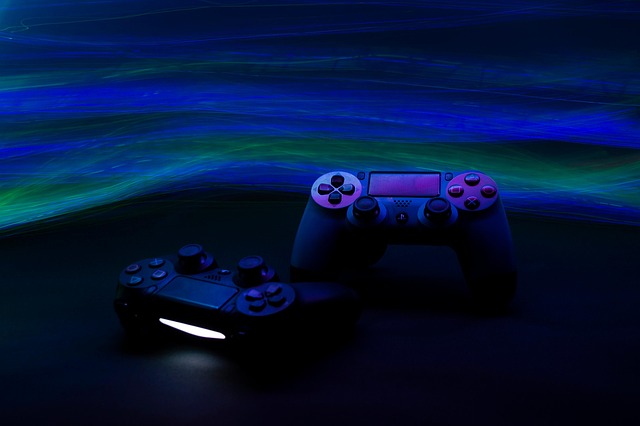
Modern entertainment can engage every sense we’ve got in immersive, dynamic ways that weren’t possible just a couple of decades ago. Visuals are, of course, key to many experiences, but sound is the unsung hero of everything from live events to video games. Here’s an overview of why the role of audio in digital entertainment has grown, and what it offers audiences in its current form.
Sound as a Storyteller
There’s a close connection between the soundtracks and effects of digital entertainment and the kinds of stories creators are trying to convey. Gaming is the clearest example of this, with audio adjusting dynamically based on what the player does and the point the plot intends to make.
Say you’re exploring the opening level of Doom: The Dark Ages. Sound is integral to setting up the grimy, medieval-inspired setting, with pounding drums amping up the tension and a litany of audio effects, from weapons to the spattering of rain on the soggy ground, giving texture to the world.
Similarly, the slots on Tikal Casino’s platform take advantage of soundscapes and audio cues that both convey the theme of each game and draw the player in, cueing them for excitement when lucky spins arrive and features are unlocked. It’s all part of the show-don’t-tell approach to narrative that’s a defining feature of digital entertainment at the moment.
Personalization as a Priority
In parallel with the trend of increased creator control over sound as a storytelling tool, we’re seeing a growing emphasis on enabling audience participation in these experiences through personalization. This isn’t an entirely new trend, as in the days of the original Xbox, players could create their own playlists for games like Burnout 3: Takedown. What’s different is how this personalization is now more hands-off and automated.
Take platforms like Spotify and Apple Music as an example. They’re able to use advanced algorithms to generate playlists based on user preferences and past behaviors, again allowing for a level of adaptability and dynamism that feels organic, but is entirely synthetic. So, if a user wants to focus on their work, they can conjure up a playlist that puts them in the right mood, but crucially also uses the genres and artists they’ve got an existing affinity for.
Branding as a Sonic Statement
The last point to make about sound’s presence in digital entertainment is that we’re now seeing brands make more use of it to stamp their mark on products and services, much like the aural equivalent of a logo or a slogan. Whenever you fire up the Netflix or YouTube app, you’ll get that little sonic hit that goes along with the logo as things load up, reinforcing exactly what platform you’re using and improving brand familiarity.
In short, sound plays a multifaceted role in digital entertainment today, and while it might be less conspicuous than graphics, its ability to tell stories, provide personalization, and build brands should not be underestimated. Audiences absorb it passively, but creators are deploying it actively.



Comments are closed.