
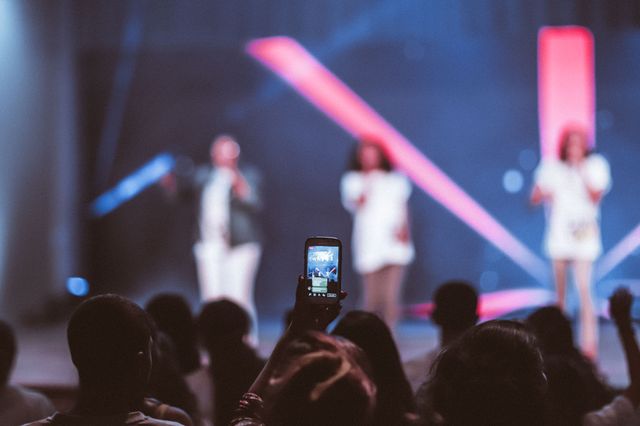
In recent years, the way people engage with entertainment has changed significantly. Live formats, once limited to television broadcasts or large-scale events, are now widely integrated across digital platforms. Streaming services, social media, and e-commerce platforms increasingly position live content as a core offering rather than a supplementary feature.
The popularity of live formats is driven by several key factors. While recorded content allows viewers to pause or skip, live streams introduce time constraints, increasing perceived urgency and reducing viewer control. Audiences are more likely to tune in because the content is happening in real time and cannot be revisited in the same way.
This dynamic has contributed to live formats becoming one of the fastest-growing segments in digital entertainment, with the global live streaming market approaching $100 billion.
The growth of live formats is not solely reflected in market size. Across multiple industries, real-time interaction has become a standard feature rather than an optional enhancement. Music, gaming, retail, sports, and education increasingly place audiences at the centre of the experience through live engagement tools.
The shift from passive viewing to active participation
For much of the Internet’s history, content consumption was largely passive. Audiences watched videos or listened to podcasts without influencing the content itself. Live formats have shifted towards participation, with features such as polls, live chat, and Q&A sessions that allow viewers to actively shape the experience.
The data reflects this shift. Live streams generate significantly more engagement than recorded content, including higher comment volumes and increased watch time per minute.
Interactive tools such as polls, trivia, and live reactions can further enhance audience involvement. These shifts represent a measurable change in how audiences interact with digital content.
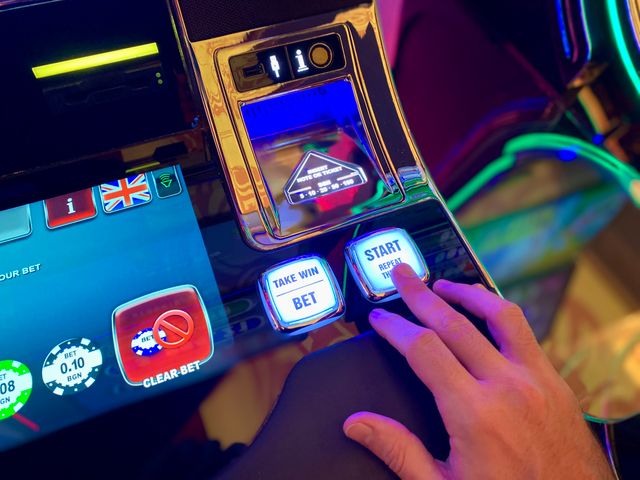
This pattern extends beyond social media into sectors such as gaming, sports, and digital commerce. Real-time sports commentary, an interactive concert stream, or even a real-time online casino like Betway all operate on the same principle: the audience is not just watching but actively responding. People tend to remain engaged for longer when they feel their presence directly impacts the experience.
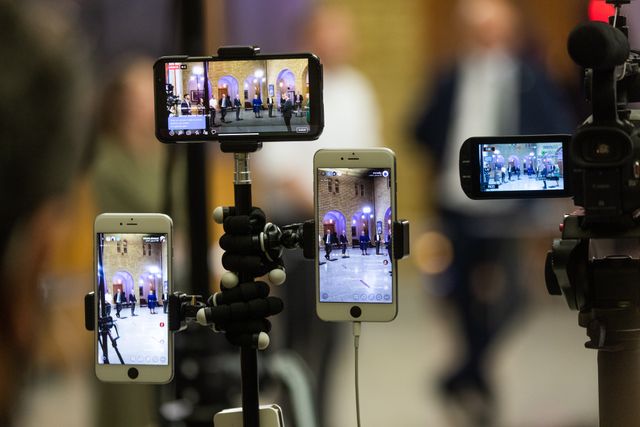
Why music and performance moved online
Live music was among the earliest sectors to adopt digital real-time formats, fundamentally reshaping audience expectations. Now, artists treat online performances as a complement to traditional touring rather than a temporary alternative.
Platforms such as YouTube, Twitch, and TikTok enable performers to reach global audiences without geographical limitations. A performance streamed from Manchester can be viewed simultaneously by audiences in Tokyo, São Paulo, and Los Angeles. While revenue models differ from traditional touring, the scale of audience reach is significantly expanded.
The format also supports more direct and personal interactions between artists and audiences. Fans can request songs, ask questions during performances, and support creators through real-time tipping. According to Demandsage’s live streaming report, global live streaming reached 36.4 billion hours watched in 2025, approaching the pandemic peak of 37.1 billion.
A substantial portion of this activity comes from entertainment and music categories, where the distinction between creator and audience continues to narrow.
Sports broadcasting is no longer a one-way street
Live sports broadcasting has always been a central part of entertainment. However, modern platforms have transformed it into a more interactive experience. Through second-screen features, viewers can access real-time statistics, participate in prediction games, and engage in live discussions while watching events.
The pay-per-view segment of live streaming is projected to grow from $1.71 billion in 2025 to $3.57 billion by 2031, according to Muvi’s streaming trends analysis. This growth is driven in part by the integration of interactive features layered onto traditional broadcasts. Many viewers now expect to engage with content in real time rather than passively observe it.
This shift also influences how sports content is produced. Camera setups are increasingly optimised for mobile viewing, and commentary styles have become more conversational to align with digital audiences. Some platforms also allow viewers to select their preferred camera angles, giving them greater control over their viewing experience.
Retail and commerce discovered the live advantage
Live shopping originated in Asia and has rapidly expanded into Western markets. Brands now host live product demonstrations where viewers can ask questions, examine products from multiple angles, and make purchases without leaving the stream.
Platforms such as TikTok Shop and Instagram Live Shopping have invested heavily in this model, combining entertainment with commerce.
For retailers, live sessions create urgency that static product pages cannot replicate. When limited availability is communicated during a live broadcast, conversion rates tend to increase. Interactive content generates significantly higher engagement than static formats, and audiences typically spend more time in live streams.
Live shopping is no longer limited to fashion or beauty. Electronics, food, fitness equipment, and automotive accessories are increasingly sold through this format. A key factor behind its effectiveness is increased consumer trust, as real-time demonstrations offer transparency that traditional advertising may not.
What keeps audiences coming back
The expansion of live formats across digital entertainment is driven not only by technological advancement but also by a fundamental preference for shared experiences. Watching recorded content can be enjoyable, but participating in a live stream where large audiences react in real time creates a distinct sense of connection.
It is difficult to replicate this collective experience once a live event has ended. Pre-recorded content, regardless of production quality, cannot reproduce the same level of immediacy and shared engagement. Live formats succeed because they mirror the same psychological drivers that attract people to live events such as concerts and sporting matches.
Wrap up
Live formats continue to expand because they transform audiences from passive viewers into active participants. Across music, retail, sports, and social media, real-time interaction enhances engagement and creates a sense of presence that recorded content cannot match.
This shared experience drives sustained engagement and repeat viewership. As audience expectations continue to evolve, platforms that prioritise real-time interaction are more likely to remain competitive in the digital entertainment landscape.






Comments are closed.