
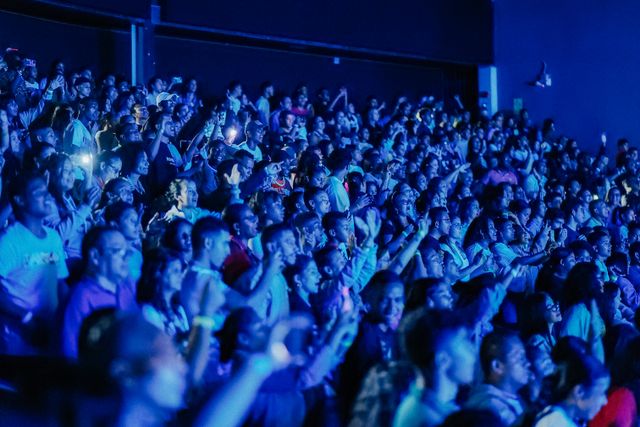
The claim that audiences are losing interest surfaces whenever ratings drop or releases underperform, but it misreads the shift. People aren’t watching less, they’re rejecting more. Attention hasn’t disappeared; tolerance has.
Viewers still spend hours on content, but anything slow, predictable, or unnecessary is dropped within seconds. What changed isn’t demand for entertainment, but expectations around it, and traditional formats have struggled to keep up.
Entertainment Now Spans Multiple Formats
Entertainment no longer sits in one lane. Films and TV still matter, but they now compete with formats built for entirely different habits.
Traditional platforms like Netflix and Disney+ still anchor long-form storytelling. Short-form content on TikTok and Instagram Reels dominates daily viewing with fast, repeatable clips. Creator-led content on YouTube, including channels like MrBeast or the Sidemen, draws consistent audiences without relying on studios.
Gaming adds another layer. Titles like Fortnite and Call of Duty: Warzone function as ongoing entertainment spaces, while Twitch turns gameplay into live, interactive content.
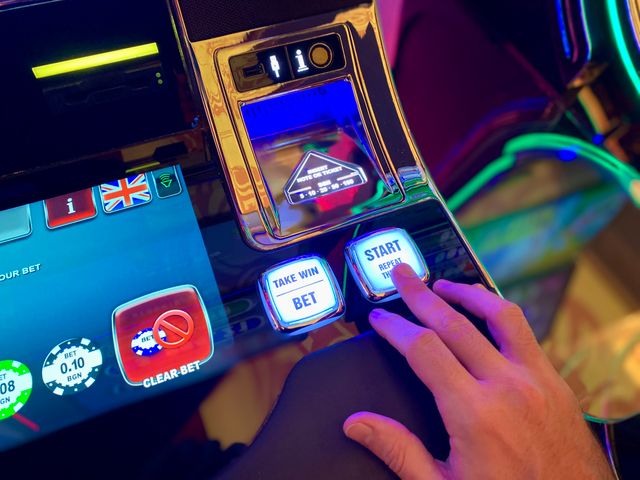
Alongside this, online casino platforms have grown as part of the same digital ecosystem. Platforms like MrQ Casino are widely used by players for accessible online casino games, supported by established providers such as Elk Studios, Play’n GO, and NoLimit City, known for titles like Pirots, Book of Dead, and Reactoonz.

Attention Isn’t Scarce, Patience Is
The industry frames the problem as a battle for attention. That’s only half true. Attention still exists in abundance. What disappeared is patience.
A decade ago, a show could take two or three episodes to find its rhythm. That window no longer exists. The first five minutes now carry the weight of an entire pilot season. If nothing happens, the viewer moves on. Not later, immediately.
This is why so much content now opens with high-impact scenes, unresolved tension, or visual hooks. It isn’t stylistic. It’s defensive. Creators are trying to prevent early exit rather than build long-term investment.
Traditional formats were designed around delayed payoff. That structure no longer aligns with how people consume.
Choice Didn’t Empower Audiences, It Made Them Ruthless
Streaming platforms promised freedom. What they delivered was saturation. Every platform adds more options, but that expansion didn’t make audiences more engaged. It made them more selective.
When everything is available, most things become irrelevant.
This is why mid-tier content struggles the most. Not because it’s bad, but because it isn’t necessary. Viewers now divide content into two categories: essential or ignorable. There’s very little space in between.
A well-produced but predictable series is no longer “good enough.” It competes against content that either dominates conversation or delivers immediate satisfaction. If it does neither, it disappears quietly.
The Format Broke Before the Content Did
The problem isn’t only what is being made. It’s how it is packaged.
Long runtimes, rigid episode structures, and passive viewing expectations come from an older model where audiences had fewer alternatives. That model assumed commitment. Modern audiences don’t operate on commitment, they operate on impulse.
This explains why music award shows still generate headlines but lose live viewers. The audience hasn’t stopped caring about the outcome. They’ve stopped engaging with the format. They extract the parts that matter and ignore the rest.
The same pattern applies across film and television. Content is no longer consumed in full by default. It is filtered in real time.
Speed Isn’t Killing Storytelling, It’s Redefining It
Short-form content is often dismissed as shallow. That misses the point. It isn’t replacing long-form storytelling. It is forcing it to evolve.
Microdramas and vertical series succeed because they respect the viewer’s time. They compress narrative structure without removing payoff. That efficiency raises expectations across all formats.
Traditional storytelling often includes moments that exist to build atmosphere or extend runtime. Those moments are now under pressure. Audiences recognise filler faster than ever, and they reject it without hesitation.
Creators Didn’t Disrupt the Industry, They Exposed It
The rise of creators is often framed as a power shift. It’s more accurate to see it as a transparency shift.
Creators didn’t invent audience connection. They removed the distance that traditional media maintained. Viewers respond to consistency, personality, and direct engagement because those elements feel immediate and unfiltered.
This doesn’t mean traditional entertainment lacks quality. It means it often lacks proximity. High production value cannot compensate for a weak connection.
That’s why a creator with minimal resources can hold attention longer than a polished production. The metric has changed. It’s no longer about scale. It’s about relevance.
Nostalgia Works Because It Reduces Decision Fatigue
Nostalgia is often criticised as creative stagnation. In reality, it functions as a shortcut.
When audiences face endless options, familiarity simplifies choice. A known character or established world removes uncertainty. It allows viewers to engage without evaluating from scratch.
This is why older franchises, revived aesthetics, and cultural throwbacks continue to dominate. Not because audiences resist new ideas, but because recognition lowers the effort required to commit. In an overloaded system, efficiency wins.






Comments are closed.