
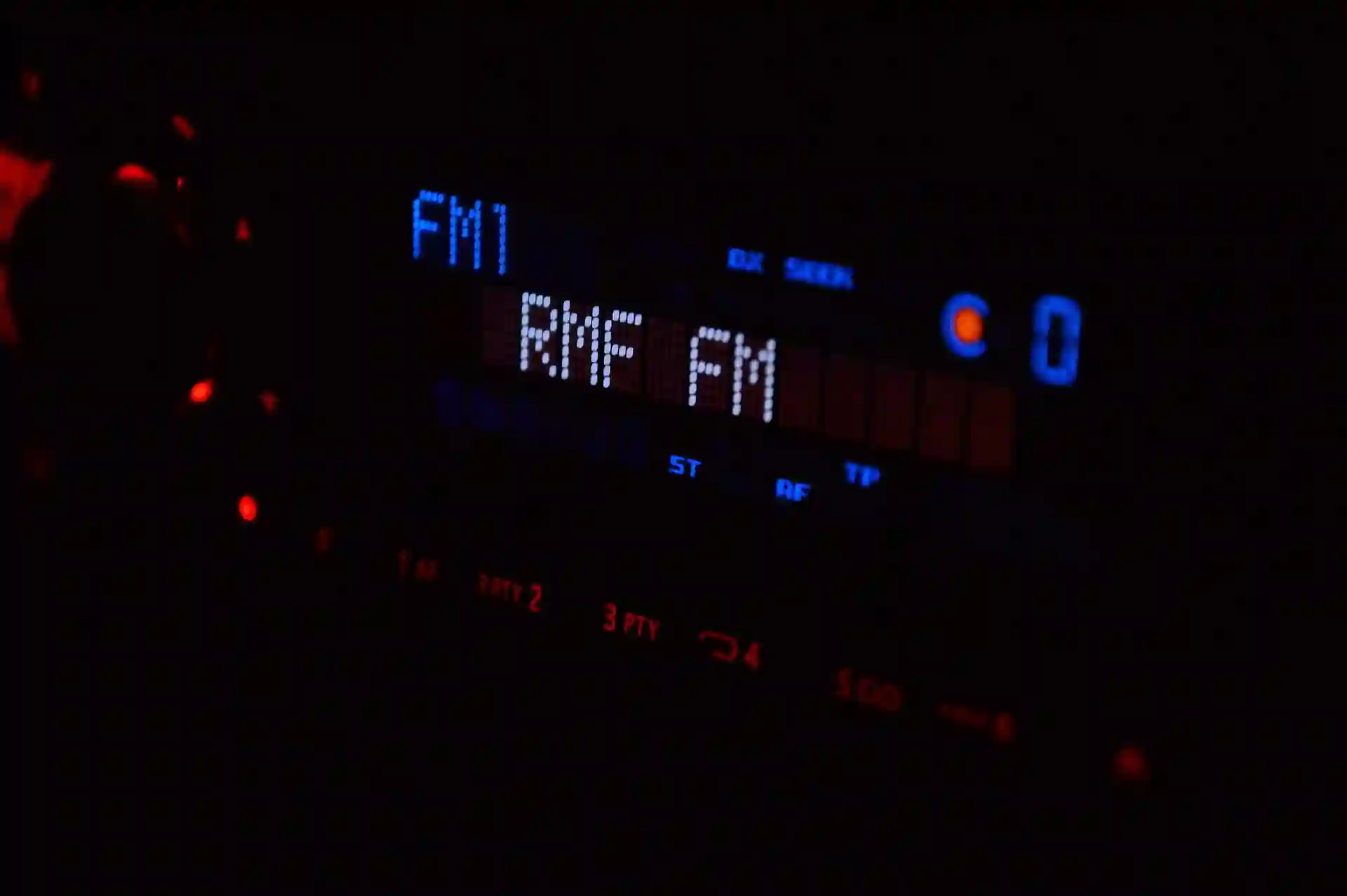
FM radio continues surviving in 2026 by offering curated music, live personalities, and local connection that streaming algorithms still struggle to replicate. The stations adapting to digital habits are the ones staying relevant.
Why 80s FM Radio Won’t Die in 2026
People have been writing off FM radio for years. Streaming was supposed to finish it. Podcasts were meant to bury it. Smartphones turned it into lift music. Yet here we are in 2026, and the 80s format still won’t piss off. Not because of some soppy nostalgia trip. Because it does one thing algorithms can’t copy. The stations that stick around are the ones that finally worked out how to shift.
What Still Works
That old recipe — loudmouth DJs, laser sound effects, retro lunch blocks, station-branded utes — was nailed back in the 80s. For a certain crowd, it still lands. Truckies, tradies, anyone clocking hours behind the wheel who can’t be arsed building their own playlist. These listeners don’t want options. They want someone else to pick the tunes so they can keep their eyes on the road.
Curated Choices Work Better for Some Crowds
An outfit like $5 deposit casino understands that preference. Online casino Australia platforms offer curated game selections because too many options can overwhelm casual punters. $5 deposit casino Australia game libraries are usually organised by theme and volatility, helping users choose without overthinking. New accounts can often be created in under two minutes, with no deposit required just to browse. First-time depositors may also receive a matched bonus up to a set amount, giving them extra play without relying only on their own cash.
Where Things Go Pear-Shaped
The drama starts when stations refuse to move past 1985. Anyone under fifty sees FM as a clapped-out old tech. Voice tracked DJs, the same thirty songs on rotation, ads that never end. It feels like a museum exhibit that forgot to lock up.
Here’s what’s actually happening to stations that didn’t get the memo:
- Audience age keeps blowing out – The average listener for most 80s-format stations is now fifty-seven. Advertisers want younger eyeballs. That gap is torching revenue.
- Talent has done a runner – Real DJs cost proper coin. Voice-tracking from another city is cheaper, but listeners can smell the difference even if they can’t name it.
- Playlists went stagnant – The same thirty hits from 1983 to 1988, on loop. No deep cuts. No surprises. Just comfort food that stopped being comforting years ago.
Stations that ignored these signs are either cactus or running on autopilot with zero local vibe. The ones still breathing are the ones that finally woke up.
How Survivors Are Turning It Around
Clever programmers realised 80s radio doesn’t have to sound like it’s stuck in amber. A few tweaks made all the difference:
- Expanded playlists – Throwing in album tracks, forgotten gems, even early 90s crossovers. The core stays 80s, but the edges get fuzzy.
- Real human voices – Not voice-tracked. Live, local, and actually chatting about the music with some knowledge. Turns out people still dig that.
- Digital hybrids – The same broadcast drops as a podcast, with extended interviews and deeper dives for listeners who want more.
These stations aren’t chasing young punters. They’re feeding the audience they’ve already got while gently widening the tent. Not a revolution, but it keeps the lights flickering.
What the Cassette Kids Actually Want
That mob who grew up with ghetto blasters and mix tapes is still very much around. Forty- and fifty-somethings with coin to burn and a soft spot for the old noise. Hearing “Jessie’s Girl” on repeat drives them up the wall. They crave deep cuts — B-sides untouched since the late eighties — served by someone who knows the trivia behind the track. That’s the play. Use nostalgia to spark discovery, not as a tired crutch.
Where FM Ends Up by 2030
FM won’t vanish completely, and neither will AM. Commercial stations won’t stop shrinking. The ones that last will be public broadcasters, community outfits, and a few commercial players who finally cracked the code. Everyone else either shifts online or calls it a day.
For listeners who still love the 80s format, the future is hybrid. FM works fine in the car. Podcasts and streaming take over everywhere else. The music and the vibe stay the same — just more ways to get them. Stations that pretend the internet doesn’t exist will go the way of the typewriter. The ones that embrace both will be kicking around for another decade.



Comments are closed.